There are two things that keep pushing me deeper into generative video tools.
For one, the models keep getting better. I look at films I made six months ago, and it's like looking back at Instagram filters from 2016. As the fidelity of the footage and the responsiveness of the models improve, it keeps me intrigued about what I can make next.
But the biggest reason for me is that it's really damn hard. The challenge of trying to make the movie that's in your head is a grind. It's solving a series of problems and battling inexplicable roadblocks. The camera doesn't move how you want. A line of dialogue gets garbled. It's maddening, but the competitive side of me wants to beat these setbacks and make something despite the limitations.
An American running back speed runs Tokyo. Made with Seedance 2.5 in @runwayapp, music with @sunomusic, casting and locations with @midjourney, script and ideas with @apple Notes app, edited in Final Cut Pro, uprezzed to 4k with @topazlabs. Written, directed and edited by Oyl Miller. Copyright 2026. All rights reserved.
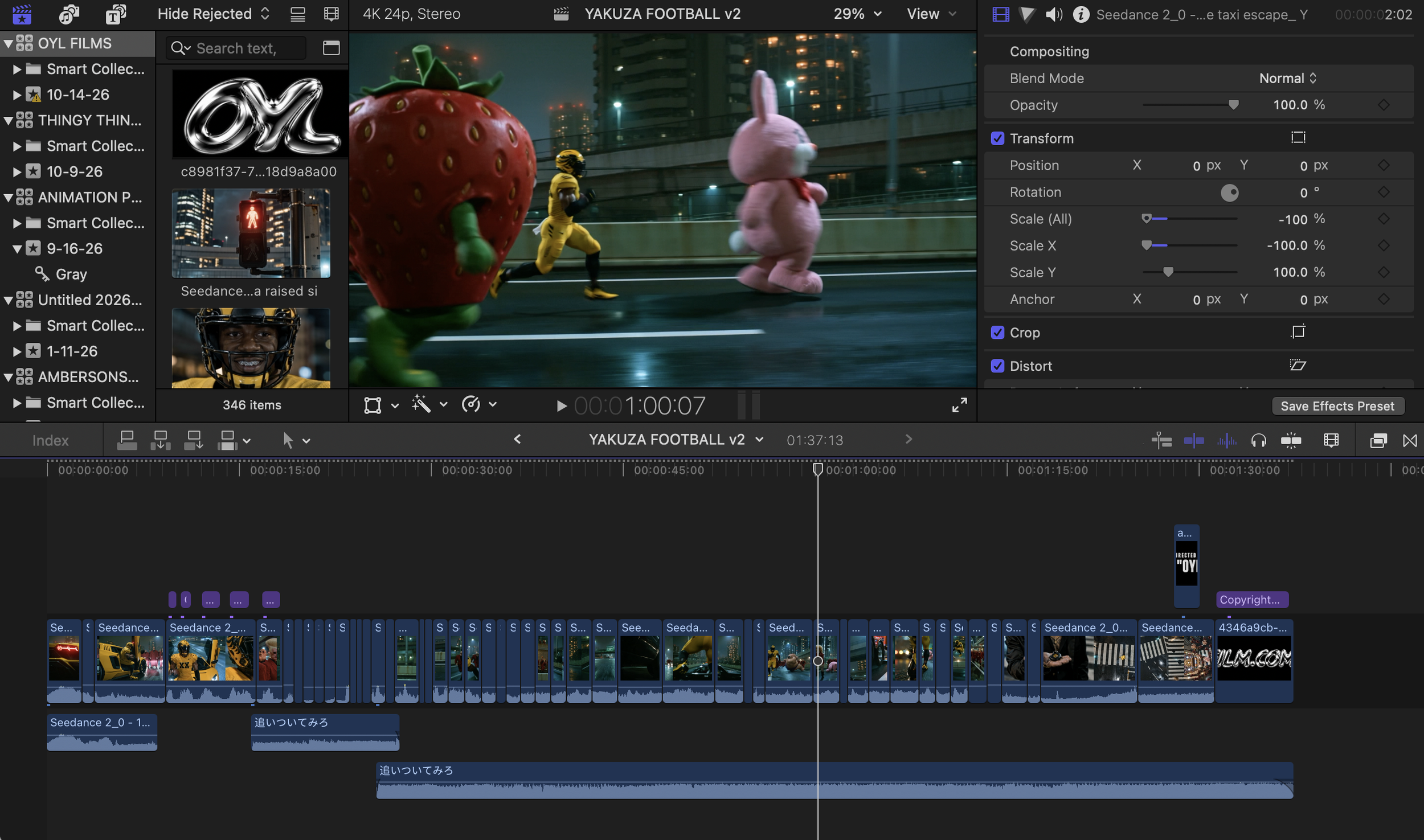
The edit is where the film really finds its personality. I use Seedance 2.5 10 and 15 second clips that have multiple cuts in them. Sometimes it’s only one cut or a single moment that I need.
And then every now and then, an AI model will spit back something so random and inexplicable that it turns into a happy accident. Just ask Cameron Day about our Chet G. Petite film series. They are riddled with surreal glitches and spasms that we learned to roll with. At a certain point, it feels like improv or abstract painting. How you react to that is the messy human bit that interests me.
Anyway, here's a little Friday film where an American football player drops into my fictional, fantasy version of Tokyo. This is the kind of stuff I would daydream about while walking around the empty streets of Shinjuku at 3 in the morning.
Made with Seedance 2.5 for the footage, Midjourney for locations and casting, Apple Notes app for script and ideas, Suno for music, Topaz Labs for the 4k uprez, and Final Cut Pro for the edit.
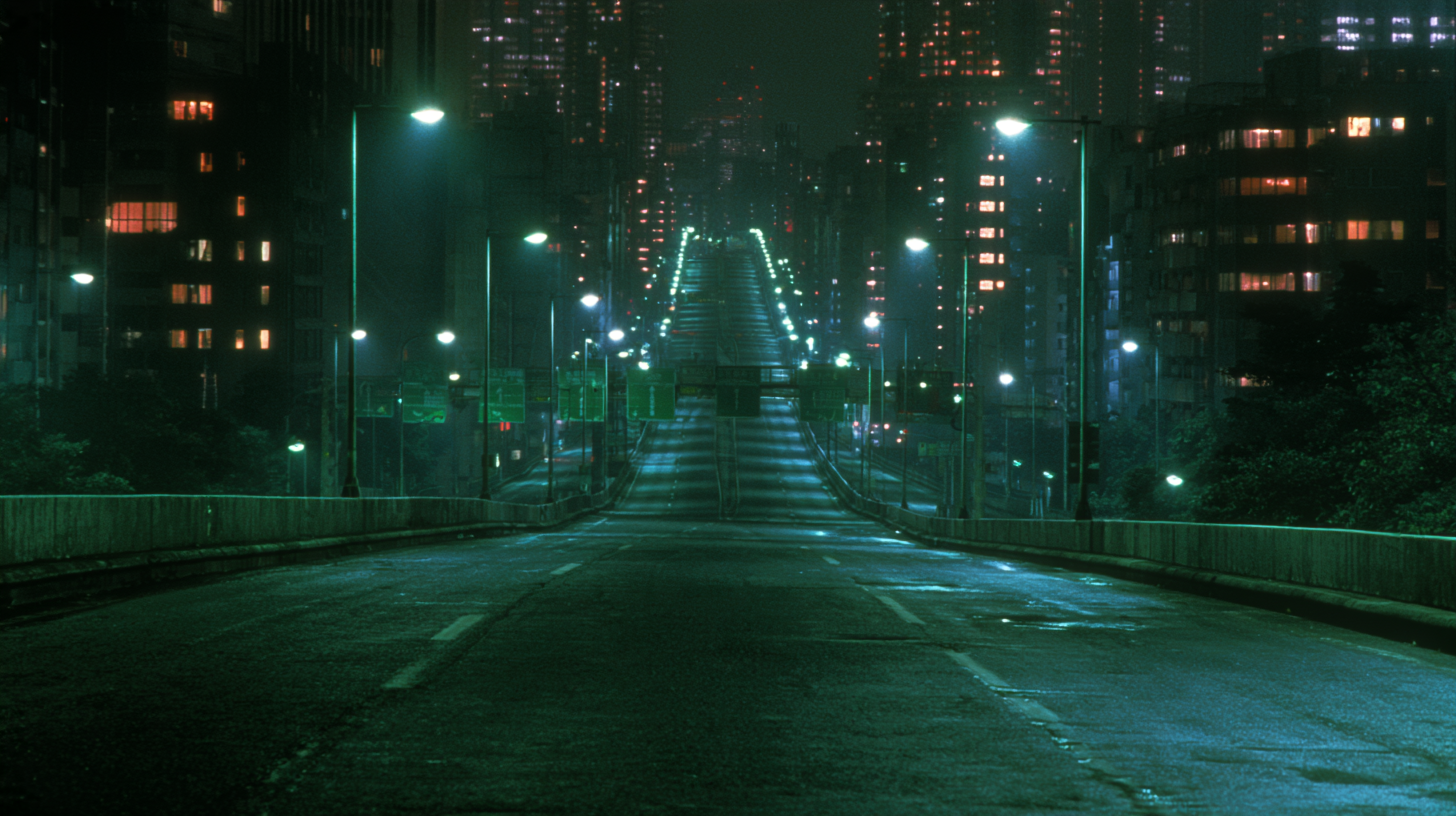
I always start in Midjourney with finding my locations. It’s location scouting for the AI era. I describe the feel, textures, lighting, camera and lenses and run several generations.
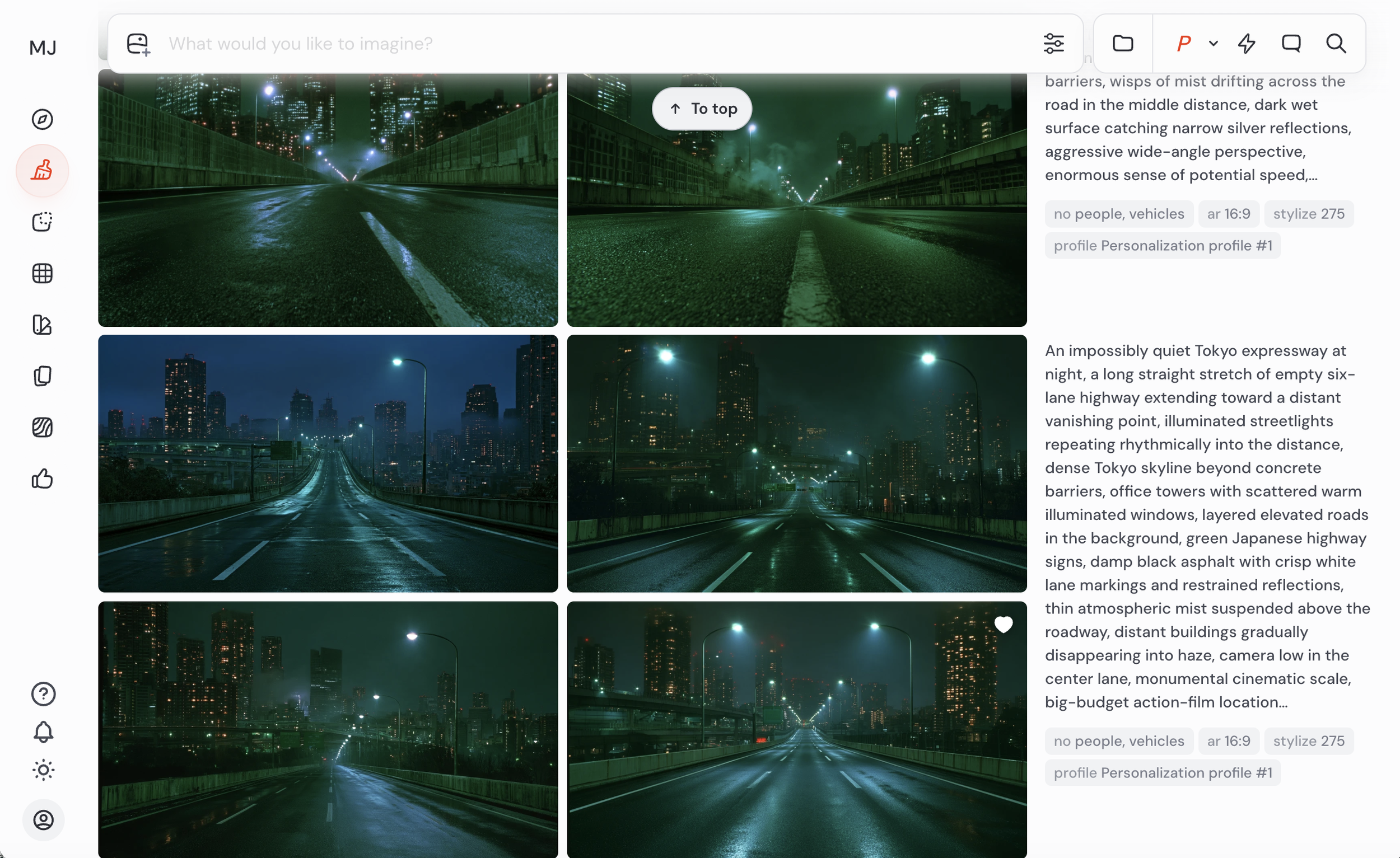
I’ll go through what I’ve generated and note my favorite frames. Sometimes I’ll take them as is, and use them as an image reference in the generative video model. Other times, I’ll keep iterating or looking for other possibilities or angles.
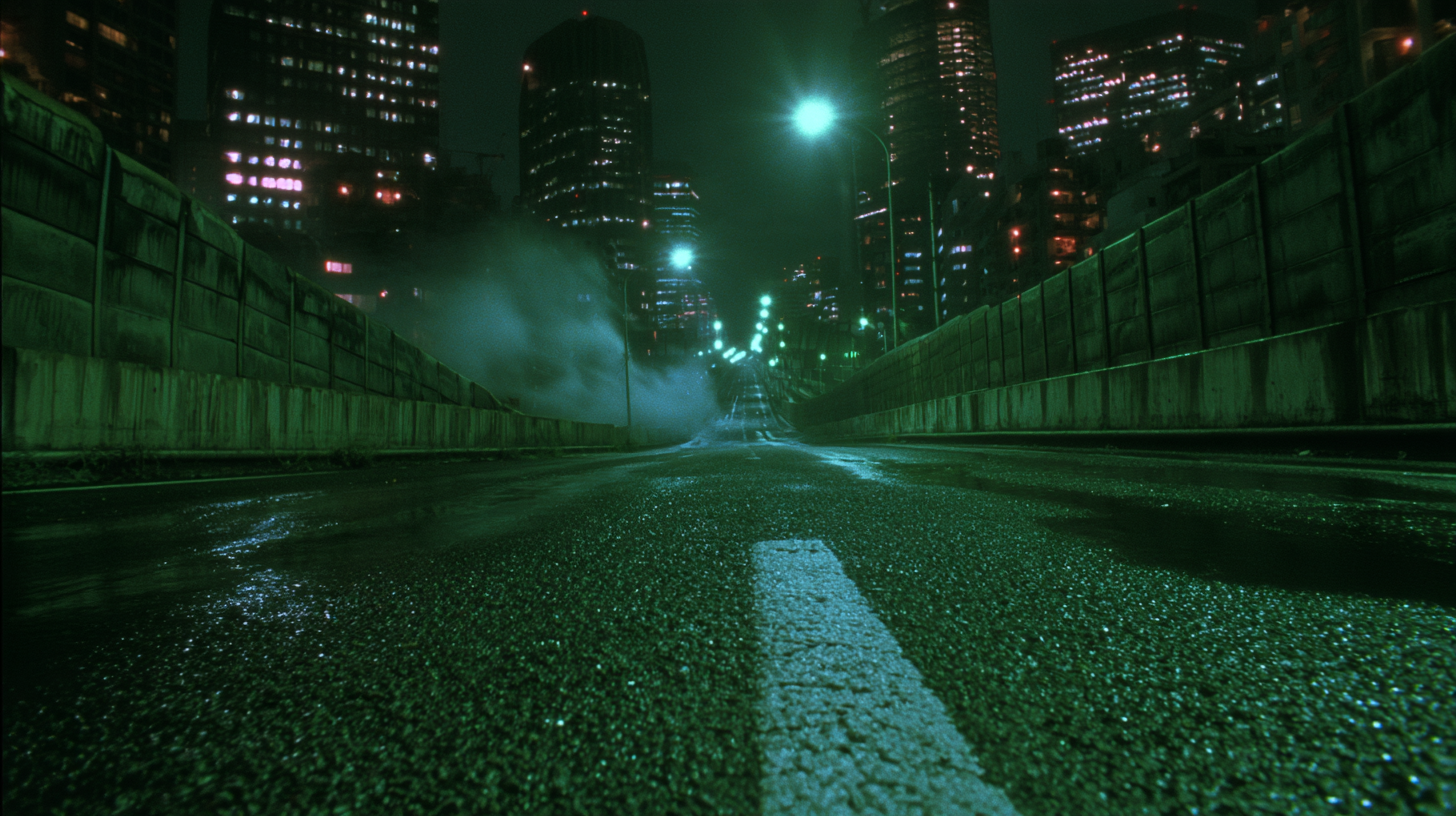
I always try to find some unusual angles that show the real character and textures of a location. When you prompt in ChatGPT or Gemini, what you get all has the same look. I try to push beyond that in Midjourney and find things that look more found and discovered.
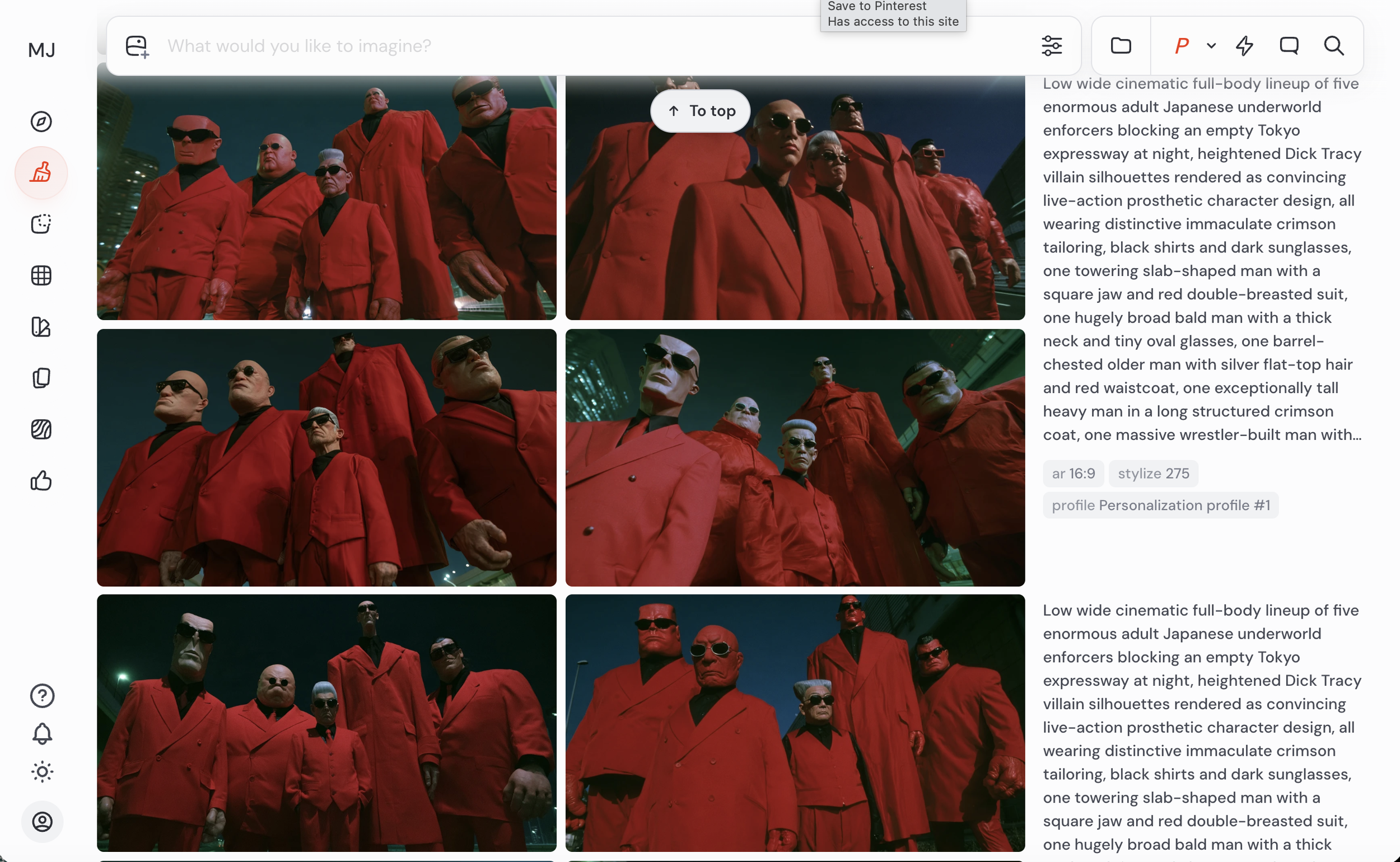
Midjourney is also the best for casting. Or inventing new original characters. ChatGPT and Gemini people all have a similar look. I try to avoid that. It’s like asking a casting director to give you people that don’t look like models or actors.

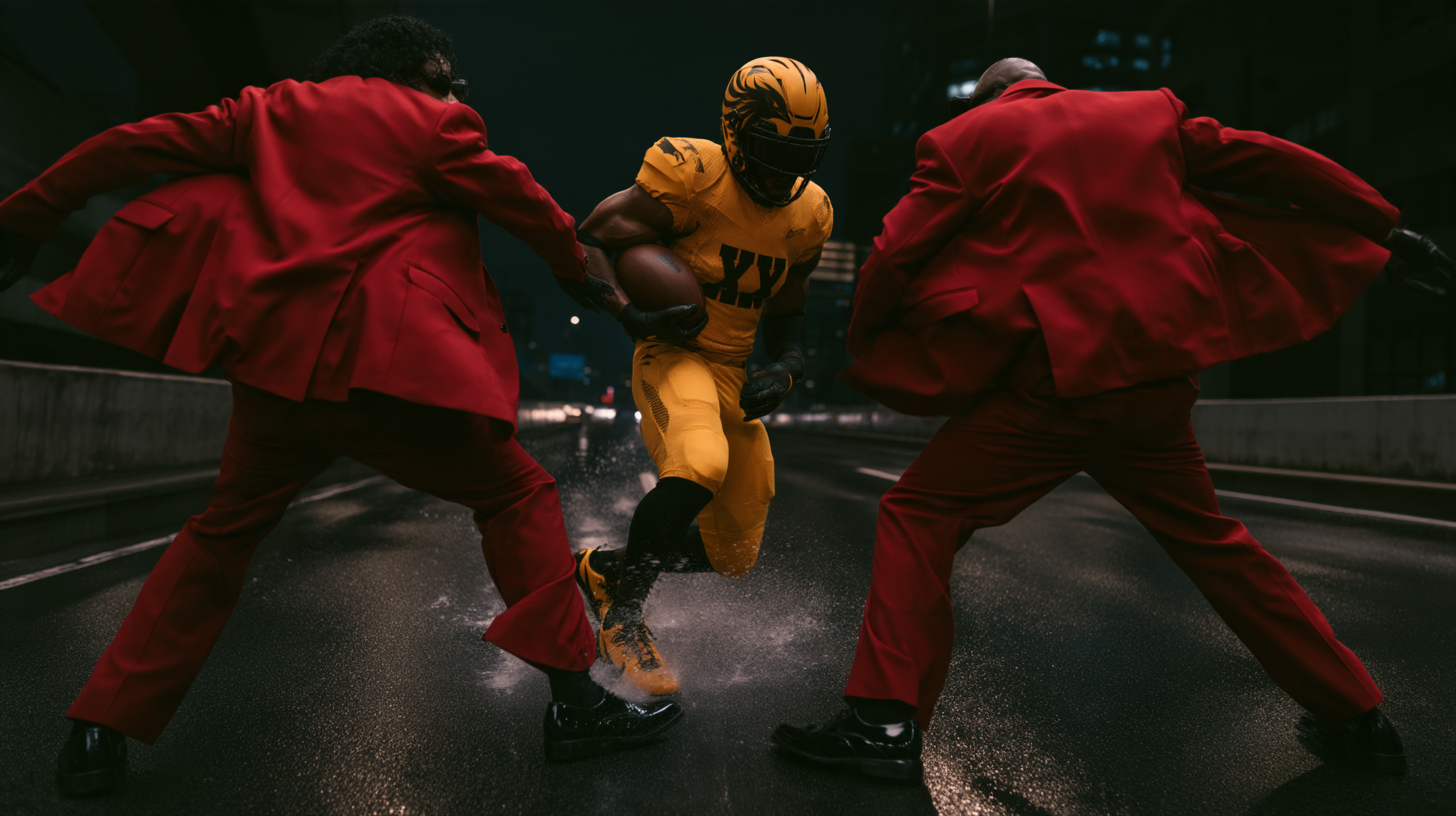
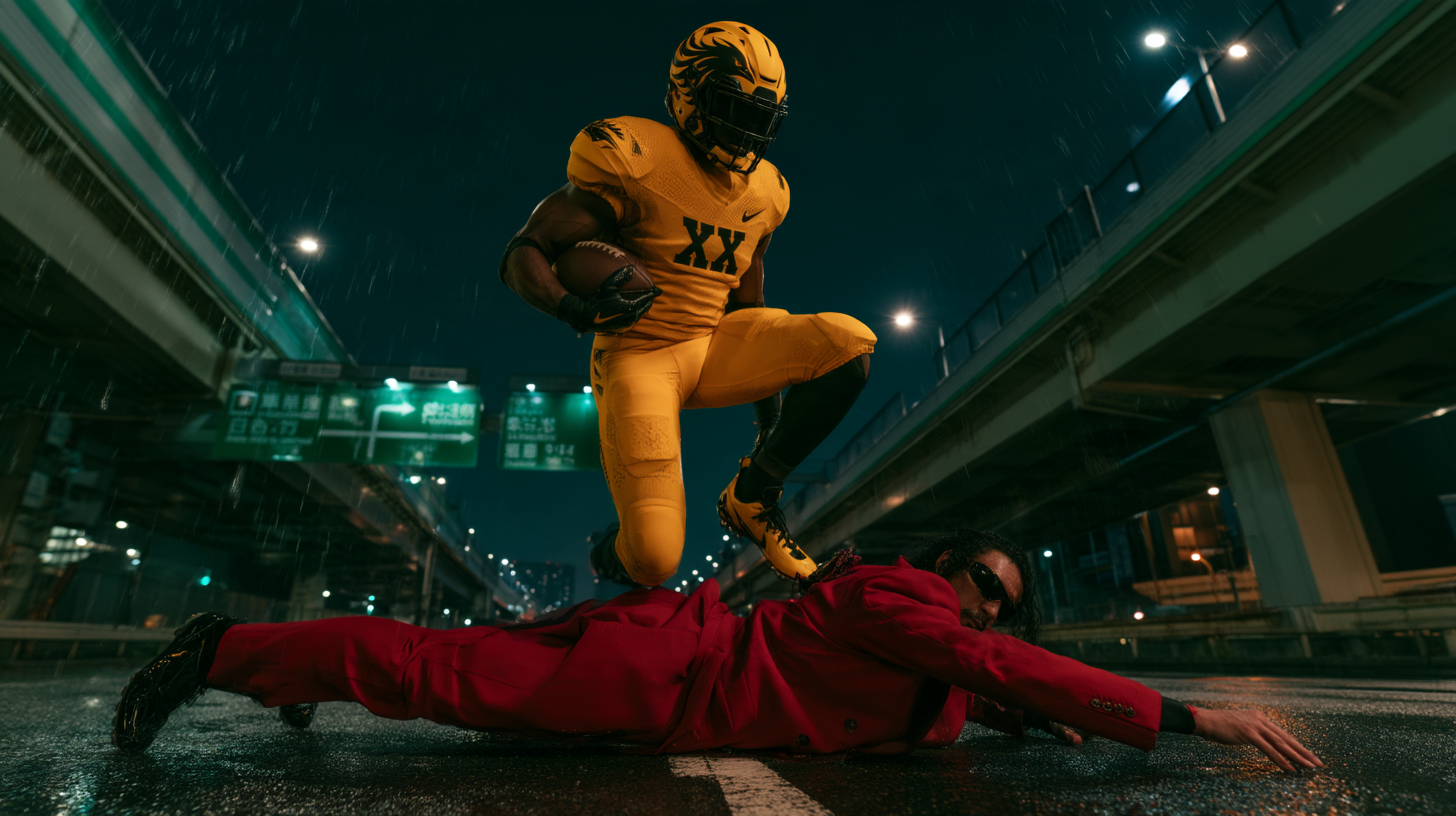
More Midjourney explorations of angles and framing with different lenses.

I like to storyboard the key moments as stills so I know where the iconic visuals are.

I capture different portraits with different kinds of cameras and focal lengths. These are all research as well as original references that I can feed into the video models.
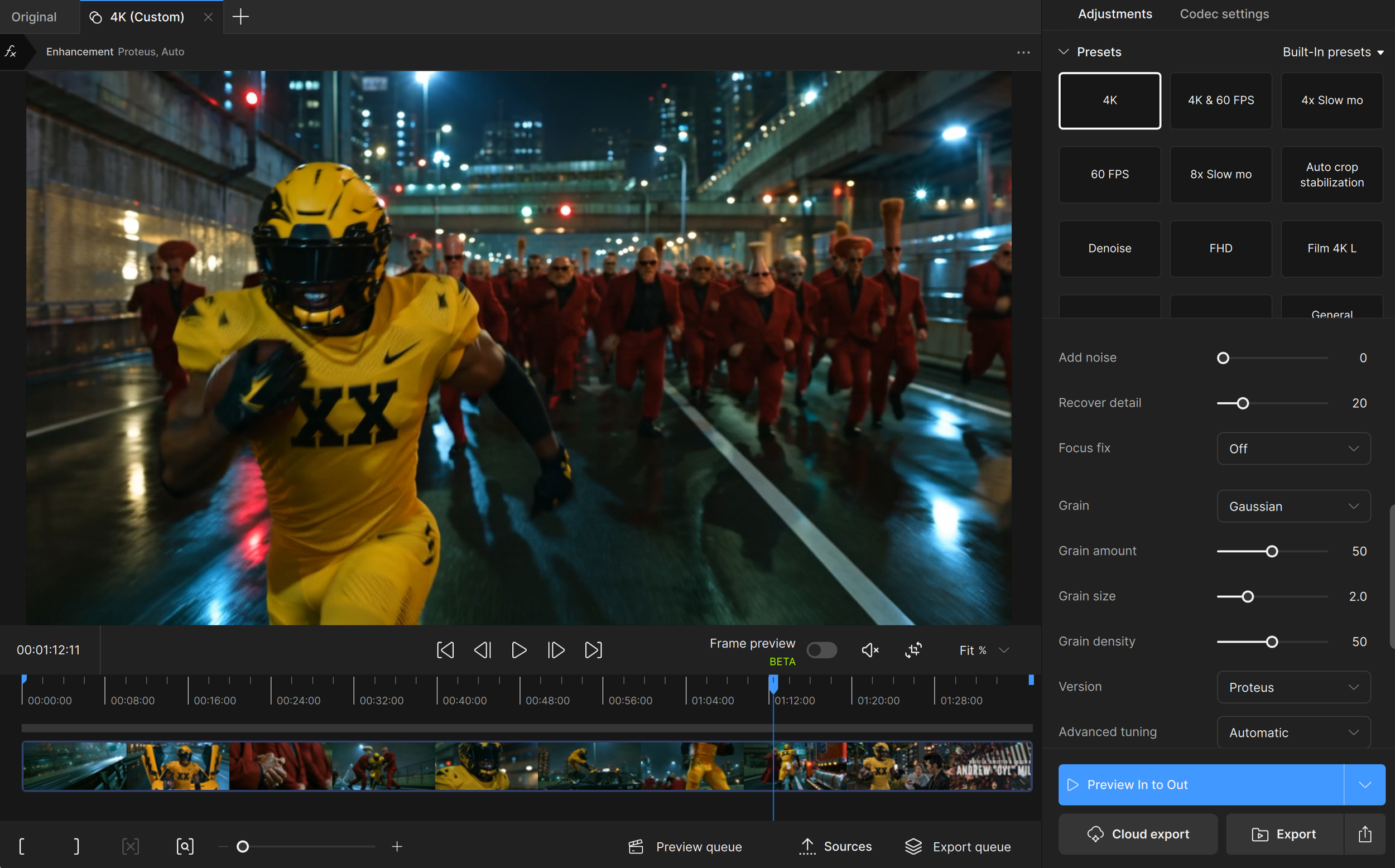
My final step, after all the tweaks and editing, is to export the video from Final Cut Pro. Then, I’ll load it into Topaz, which is the best uprez app right now. I’ll take the 1080p Seedance 2.5 footage and tune it to 4k. The results are pretty spectacular.